‘Like being a detective’:
Why doctors wanting to improve health outcomes for women entered the fertility industry
Nestled in Perth’s inner-west is a team of fertility specialists helping people from all walks of life find miraculous breakthroughs in starting or growing their families.
For Genea Perth’s Co-Medical Director, Dr Julia Barton, the role of a fertility doctor is like being a detective.
“I love the fact that it’s got a lot of science, but I also love the fact that it has a bit of magic in it,” she tells Women’s Agenda.
“It’s almost like being a detective, just going back and trying to figure out why someone hasn’t fallen pregnant. What can we do differently?”
Dr Barton says no two fertility journeys are the same so each person who walks in has a unique set of circumstances that needs to be considered.
“When I’m able to actually take somebody who’s had a number of failures elsewhere and bring them through our clinic and give them a bit of the Genea magic and then all of a sudden they’re pregnant, it’s just so rewarding,” she says.
“Some of it’s to do with our lab and I think our science is particularly good. We have a lot of innovative things that other clinics don’t have. But sometimes I think it’s also just that ability to put experience into looking at how we can do things differently.”
Innovation and technology have made giant leaps since Dr Barton started in the industry.
Among these breakthroughs are the Grow by Genea app allowing patients to watch their embryos grow, as well as advancements in genetic testing that are improving success rates.
Right now, the science is moving into groundbreaking new territory with clinics like Genea Perth at the forefront.
Genea is in the process of recruiting 1600 IVF patients who have experienced repeated failed embryo transfers to be part of a world-first trial looking at the immune system’s role in pregnancy success.
The study, led by Associate Professor Gavin Sacks, gives patients early access to specialised Natural Killer (NK) cell activity testing aimed at working out how effectively a person’s immune system identifies and destroys abnormal cells.
NK cells are part of the body’s immune system and help regulate immune responses.
For people with abnormal cell activity, research has been inconclusive on whether or not this can lead to IVF failure.
The results of Genea’s study could change this.
“The study offers hope that research may one day help explain one of IVF’s most frustrating and emotionally challenging questions – why implantation sometimes doesn’t occur even when everything appears favourable,” says Dr Barton.
“We know the immune system plays a critical role in establishing pregnancy but more robust prospective evidence is needed to understand whether NK cell activity can help explain some of these outcomes.”
Fertility Specialist and co-Medical Director of Genea Perth, Dr Rose McDonnell, who works with Dr Barton at the clinic, says research like this can not only improve treatment outcomes but it gives patients access to care without having to travel interstate or overseas.
“Western Australia’s role as the first recruitment site places local patients at the forefront of research that has the potential to influence fertility care internationally,” she says.
Women-led fertility care
Dr Barton says even the demographic of specialists in the field has changed since when she started.
“I’ve been working here for almost 20 years and for the first 17 years of that, I was the only female in an all-male team – and that had quite a few challenges,” says Dr Barton.
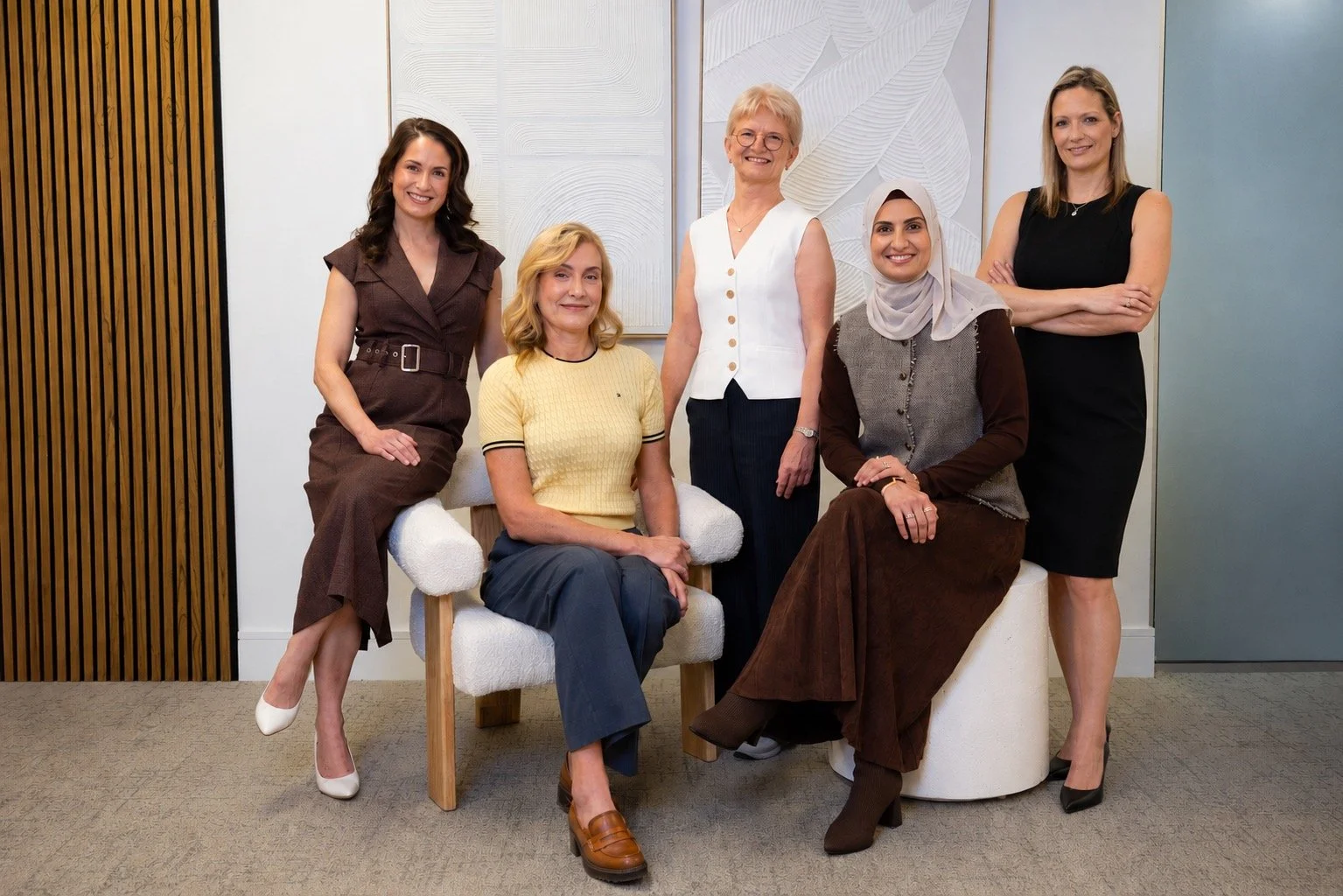
“We are now in the process of rebuilding as a predominantly female team and I’m super excited about that because I think women provide a level of care that’s just different.
“It is refreshing to work with a team who actually understands what it’s like to be a woman, with a career and a family and juggling a whole lot of things at the same time.”
Dr McDonnell says “It’s lovely to be part of such a great team: very powerful, very smart colleagues who I’m surrounded by are all thinking about what we can do to make women’s lives better.”
When Dr McDonnell started out, she worked in emergency medicine and was struck by how poorly women’s health was treated.
“Women were put into the too hard basket and put to the bottom of the pile and that didn’t sit right with me” she said.
“I’m pretty passionate about women’s health and getting women equitable access to care.
“Women are the pillars of society in my mind and if you don’t have a strong infrastructure, then you can’t build a community around that. I’m passionate about getting women in a position where they’re as healthy and happy as they can be so that they can do what they want and need to do and contribute to society the way they wish to.”
Dr McDonnell says she found her way into fertility research and reproductive endocrinology with the support of great mentors.
“I’m very passionate about teaching the next generation of doctors,” she says.
She says modelling communication, compassion and care is critical.
“It’s understanding a patient’s presentation and what led up to that point,” she says.
At Genea Perth’s clinic, Dr McDonnell continues the effort to improve care and outcomes for women.
“Medicine is humbling generally,” she says.
“Women going through fertility treatment often describe it feeling like a game of snakes and ladders – there’s ups and there’s downs and you slide sideways at times.
“As a clinician you’re with the patient the whole way and you’re on the journey with them.”
She says it’s important for doctors and health providers to acknowledge their patients may be grappling with a mix of physical, social, emotional and financial impacts.
“Every patient that walks into our clinic, they might have had multiple rounds of IVF in different places and it’s important to really listen to where they’re at,” she says.
“I think a lot of the time people in fertility really feel like a number.
“As a fertility specialist I want to make my patients feel like I’m holding space for them to be and feel how they are.”